Divine Indica cannabis seeds from Divine Seeds are a benchmark strain of indica marijuana based on landraces from India and Afghanistan, rich in essential oils and resistant to hot weather conditions. According to one version, it is a three-way cross:
- Afghani – the champion of unpretentiousness, with buds saturated with resin;
- Hindu Kush – a famous high-altitude landrace, compact, with a lemony scent;
- Kerala Gold – a rare South Indian variety with a slight golden tinge to its greenery.
Thanks to careful selection based on phenotype, Divine Indica has become resistant to pests and weather conditions, and the final weight of the plants has increased. The variety is considered extremely stable. The complex aroma of this cannabis has an earthy, musky base with hints of cedar, sweetened with sweet notes of dried apricots, licorice, and dates. The main terpenes include myrcene, caryophyllene, and limonene.
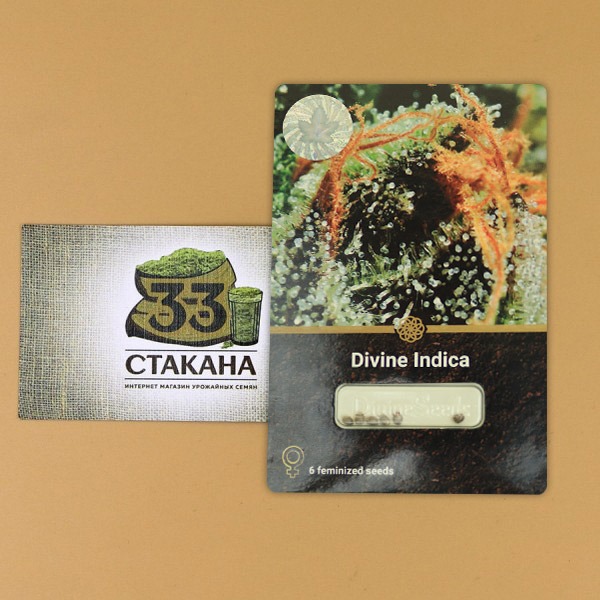
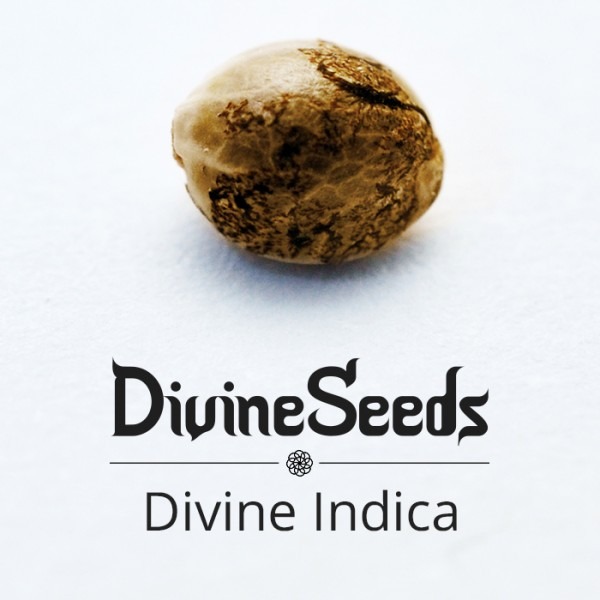
Divine Indica seeds are feminized, round in shape and medium in size, often with a distinctive “tiger” pattern.
The advantage of photoperiodic varieties is the ability to control the duration of the vegetative stage, so the seedlings were first planted in 0.5-liter peat pots filled with light soil mixture. During vegetation, the seedlings were transferred to final pots with a volume of 12-18 liters, depending on the size of the yield. One plant per 1 m² was planted outdoors. The bushes developed a structure typical for indica: dense stems and branches, wide fan-shaped leaves, and short internodes. The root system developed rapidly, filling the entire volume of the pot. Vegetation was slow in the first weeks, then growth accelerated noticeably. Indoors, an average height of 100-125 cm was recorded, outdoors up to 140 cm.
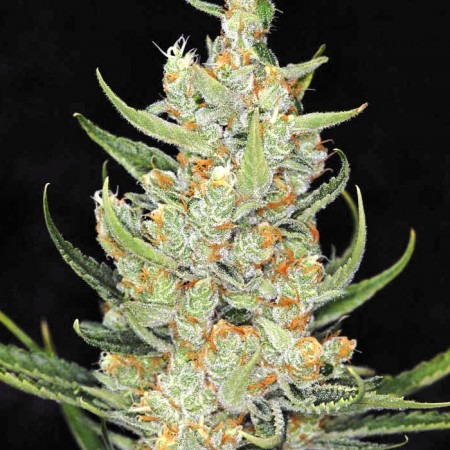
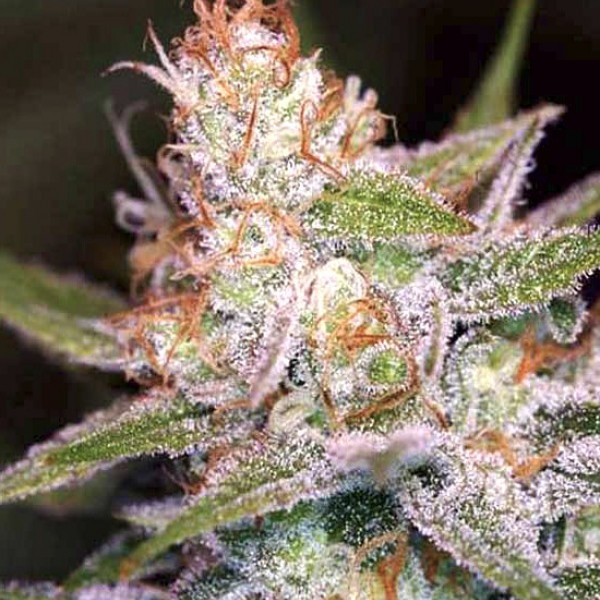
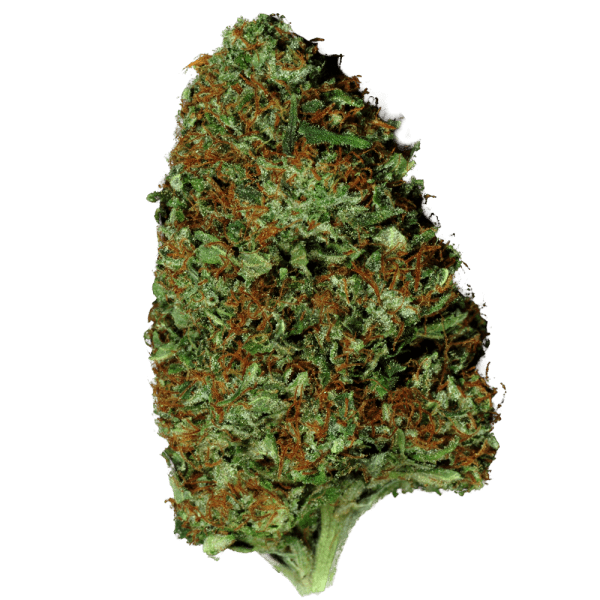
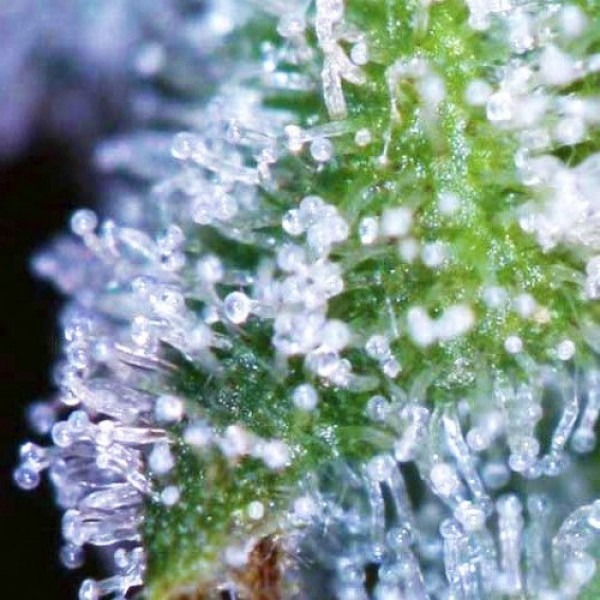
The buds were dense and resinous, with lots of orange stigmas and sugar leaves. The aroma became more intense, with a predominance of spicy and pine notes. The subtropical climate proved to be optimal for Divine Indica, but in Canadian conditions, depending on the season, outdoor bushes may have required greenhouses. Both during selection and during seed production, breeders actively trained planting using the ScroG and FIM + LST methods. Particularly large and healthy individuals tolerated cloning very well, so the SoG (Sea of Green) method was also used. Defolation was also sometimes carried out during flowering, removing excess leaves for better lighting and air circulation.Outdoor maturity was in October.
- Ukraine: Nova Poshta (cash on delivery/prepayment, 1-4 days);
- Kyiv: Nova Poshta or courier (1 day, no passport required);
- Lviv, Odesa: Nova Poshta or courier;
- Abroad: Airmail.
- Cards: Visa/Mastercard;
- Cryptocurrency: Bitcoin, USDT;
- Cash: cash on delivery (Ukraine), courier (Kyiv);
- Bank transfer and other payment systems.


Додати коментар